
By Yuhang Metal Technical Team · Updated November 2026 · 4 min read
Short answer: Pickling removes weld heat tint, scale and the chromium-depleted layer beneath it, usually with nitric–hydrofluoric acid. Passivation removes free iron and other contamination with nitric or citric acid so the chromium oxide film can re-form evenly. Welded parts usually need pickling and passivation. Machined or handled parts without heat tint usually need passivation only.
Stainless steel resists corrosion because of a thin, chromium-rich oxide film on its surface. Welding, heat treatment, grinding and contact with carbon steel tools can damage that film or contaminate it. Pickling and passivation restore it. They are often mentioned together but do different jobs. This guide explains both and shows when each is needed.
Key takeaways
- Pickling removes oxide scale, weld heat tint and the chromium-depleted layer beneath it. It removes a thin layer of metal.
- Passivation removes free iron and other surface contamination so the passive film forms evenly. It does not remove heat tint or scale.
- The main references are ASTM A380 (cleaning, descaling and passivation) and ASTM A967 (chemical passivation treatments and tests).
- Welded coils, tanks and pipe spools normally need pickling followed by passivation.
- Passivation is verified by tests such as water immersion, humidity, salt spray or copper sulfate, specified on the order.
Contents
Pickling vs passivation
| Item | Pickling | Passivation |
|---|---|---|
| Purpose | Remove scale, heat tint and the chromium-depleted layer | Remove free iron and contamination, promote an even passive film |
| Typical chemistry | Nitric–hydrofluoric acid baths, gels or pastes | Nitric acid or citric acid solutions |
| Metal removal | Yes, a thin surface layer | Negligible |
| Removes weld heat tint | Yes | No |
| Typical use | After welding, hot working or annealing in air | After machining, forming, handling, or after pickling |
| Reference | ASTM A380 | ASTM A967, ASTM A380 |
Why welds need pickling
Welding heats the metal next to the weld and forms coloured oxide layers, called heat tint, from straw to blue. Beneath that oxide the surface is depleted in chromium, which lowers corrosion resistance. Heat tint is a common starting point for pitting and crevice corrosion, especially in chloride-bearing water. Pickling removes both the oxide and the depleted layer, and passivation then helps the passive film re-form evenly.
Methods
- Immersion: the whole part is dipped in a pickling bath. This gives the most uniform result and suits coils, small tanks and pipe spools.
- Pickling gel or paste: applied locally to welds on large parts, then rinsed off thoroughly.
- Spray pickling: used for large surfaces and vessel interiors.
- Electropolishing: an electrochemical process that removes a thin layer, smooths the surface and leaves it passive. It is common for pharmaceutical and food equipment.
Pickling acids, especially hydrofluoric acid, are hazardous. The work must follow local safety and wastewater rules, and parts must be rinsed with clean, low-chloride water afterwards.
When is passivation alone enough?
- Machined, formed or handled parts with no heat tint or scale
- Parts that may have been contaminated by carbon steel tools, wire brushes or grinding dust
- Bright annealed tube and sheet that have only been cut or formed
Related products
Helical Coils
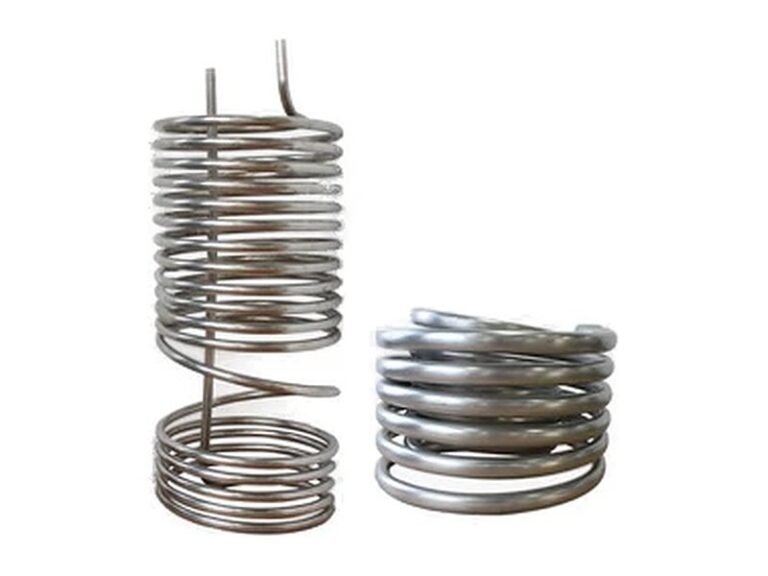
Spiral coils for round, agitated tanks
Sanitary Tubes
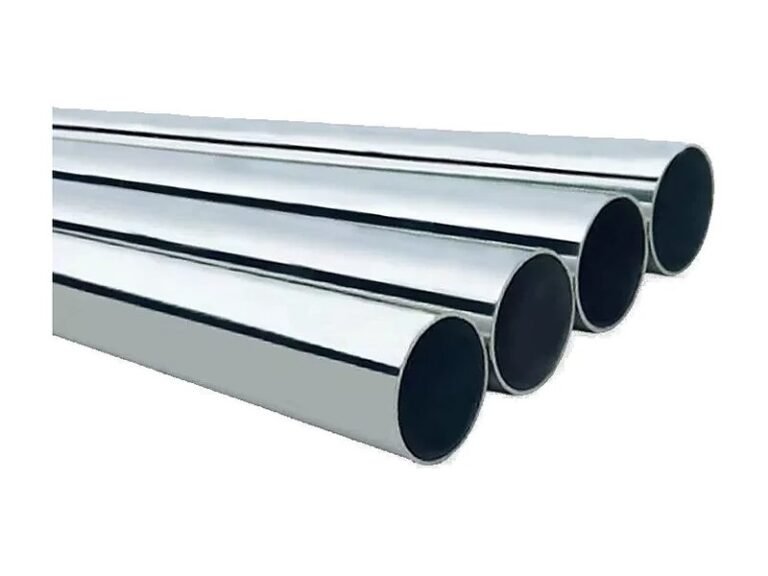
Polished tubing for hygienic lines
Welded Pipes
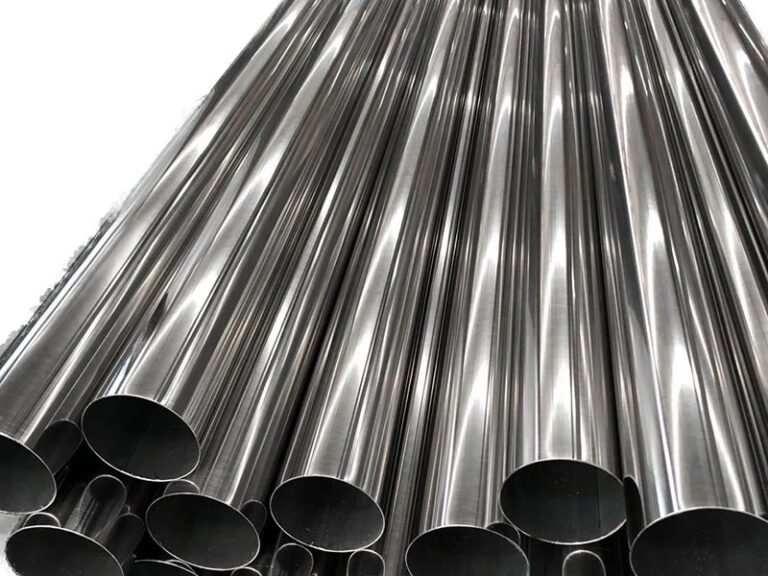
ASTM A312 / A358 / A778, NPS 1/8″–30″
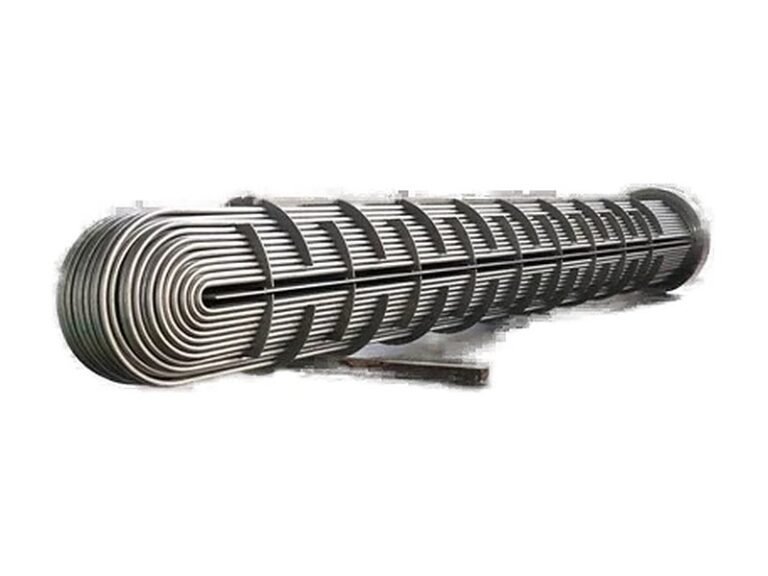
U-Bend Tubes
A213 / A249 / A688, legs up to 15 m
How passivation is tested
ASTM A967 lists test methods that the purchaser selects on the order. They include water immersion, high humidity, salt spray, copper sulfate, and potassium ferricyanide–nitric acid tests. These look for free iron or rust on the treated surface. Many hygienic and pharmaceutical projects also specify surface roughness and cleanliness checks.
How to specify it on an order
- State the treatment: pickled and passivated, passivated only, or electropolished
- Name the standard and method, for example ASTM A967 Nitric 2 or Citric 1
- Specify the verification test, for example water immersion or copper sulfate
- Specify the rinse water quality and packing that protects the surface from contamination
Related reading: how to choose a stainless steel tube coil and stainless steel sheet finishes.
Why source from Yuhang Metal
- Stainless steel supplier based in Foshan, Guangdong, since 1986. In 1988 we commissioned China’s first stainless steel high-frequency welded pipe mill.
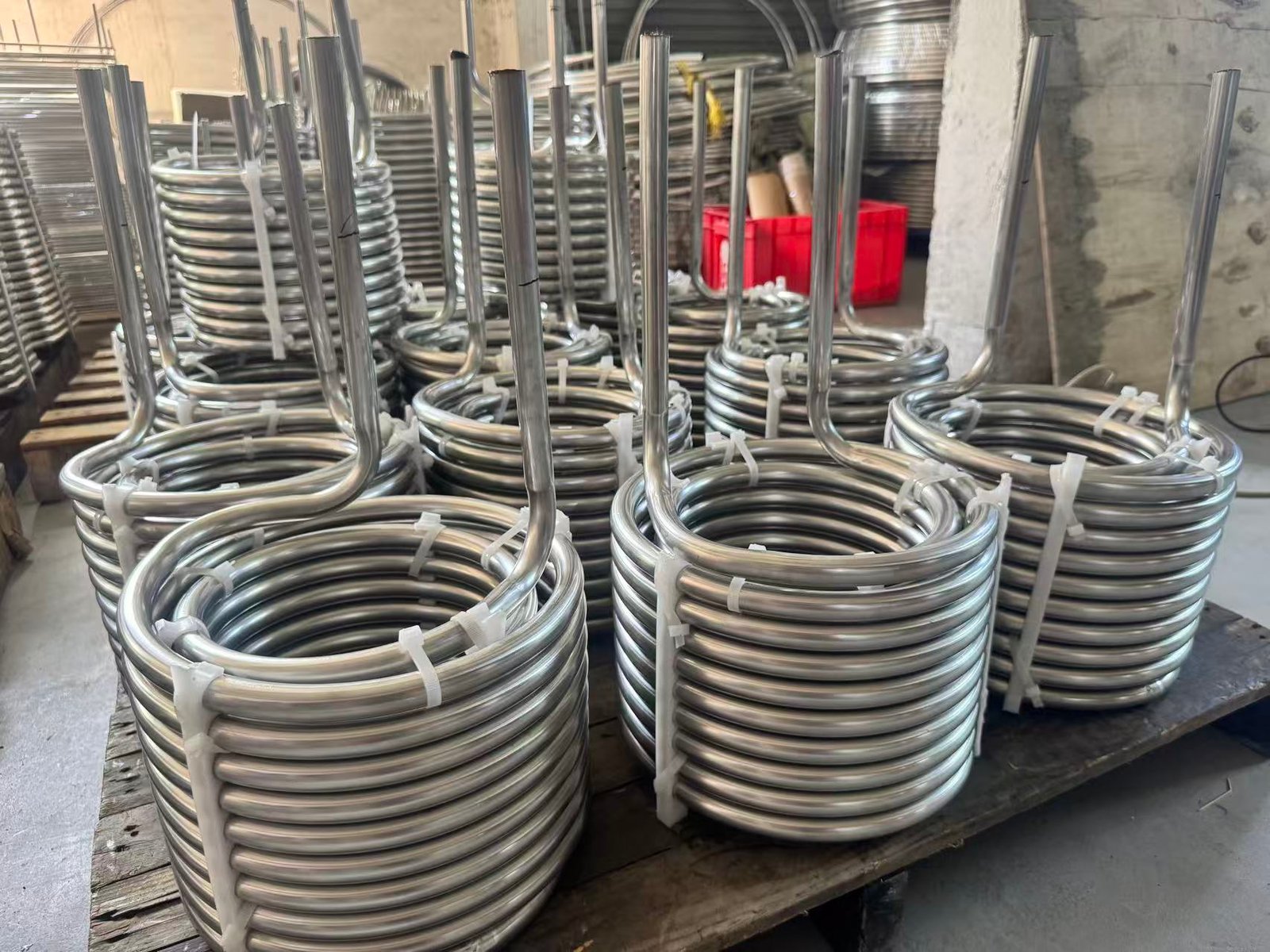
- Tube coils supplied pickled and passivated as standard, with bright annealed or electropolished options.
- Welded pipe supplied pickled and annealed, bright annealed or polished.
Frequently asked questions
What is the difference between pickling and passivation?
Pickling removes scale, weld heat tint and the chromium-depleted layer by dissolving a thin layer of metal. Passivation removes free iron and contamination so the chromium oxide film forms evenly. It does not remove heat tint.
Does stainless steel need passivation after welding?
Welds usually need pickling first to remove heat tint, followed by passivation. Passivation alone does not remove heat tint.
Is citric acid passivation as good as nitric acid?
ASTM A967 includes both nitric and citric acid treatments. Citric acid is safer to handle and widely used. The choice and the verification test should be specified on the order.
How do I know if a part has been passivated properly?
Specify a test from ASTM A967, such as water immersion, high humidity, salt spray or copper sulfate. These detect free iron on the surface.
Are Yuhang tube coils pickled and passivated?
Yes. Our tube coils are supplied pickled and passivated as standard, with bright annealed or electropolished options.
References
- ASTM A380/A380M – Cleaning, descaling and passivation of stainless steel parts, equipment and systems
- ASTM A967/A967M – Chemical passivation treatments for stainless steel parts
- ASTM B912 – Passivation of stainless steels using electropolishing